
What Is Breast and Chest Dry Brushing?

Dry brushing is a simple self-care practice using a dry, natural-bristle brush on dry skin before showering.
For the breast and chest area, dry brushing should always be soft, light and gentle. This is not about scrubbing, forcing or trying to “fix” anything. It is a quiet ritual of touch, awareness and care.
At Natural Breast Care, we see dry brushing as one part of regular breast and chest care. It can help you bring attention to the upper body, gently stimulate the skin and support a feeling of flow and movement in the breast, chest and underarm area.
As we like to say:
Where good attention goes, good energy will surely flow.
What is dry brushing?
Dry brushing is the practice of brushing dry skin with a dry brush, usually before a shower.
It is often used to:
-
Gently exfoliate the skin
-
Awaken the body
-
Support a feeling of circulation and movement
-
Gently stimulate the lymphatic system
-
Create a refreshing morning ritual
-
Prepare the skin before applying balm or oil
-
Bring attention to areas we often forget
For the breast and chest area, the pressure should be very light. The skin here can be sensitive, and the aim is to awaken and connect, not to scratch or irritate.
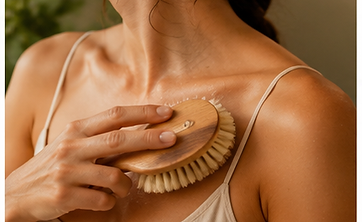
Why dry brush the breast and chest area?
Many women care for their face, hands, legs and hair, but rarely give loving attention to the breast and chest area.
Gentle dry brushing can become a way to include this part of the body in your regular self-care.
Because the lymphatic system sits close to the surface of the skin, light brushing may help gently stimulate lymphatic flow and support a feeling of movement, circulation and freshness in the breast, chest and underarm area.
It may also help you:
-
Become more familiar with your breast and chest area
-
Notice changes in your skin and tissue
-
Bring gentle attention to the heart space
-
Create a ritual before showering
-
Prepare the skin for Happy Breast Balm
-
Feel more connected to your body
This is breast care from love, not fear.
Where good attention goes, good energy will surely flow.
Can dry brushing support lymphatic flow?
Dry brushing is often used as part of lymphatic-style self-care because the lymphatic system sits close to the surface of the skin and responds to gentle movement, breathing and light touch.
Soft dry brushing around the breast, chest, underarm and collarbone area may help gently stimulate the skin and support a feeling of lymphatic flow and movement.
This is one reason many women include dry brushing in their breast care ritual.
However, dry brushing is not a medical treatment for lymphatic issues, swelling, lymphoedema or breast conditions. It should not replace professional care.
If you have swelling, heaviness, aching, tightness, reduced movement or concerns after breast surgery, lymph node removal or radiation, please seek advice from your doctor, breast care nurse, physiotherapist or lymphoedema therapist.
At home, gentle dry brushing can be one part of a nurturing breast and chest care ritual.
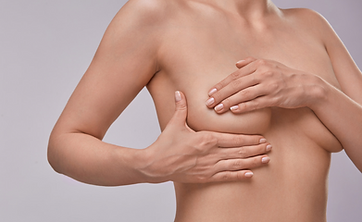
How do I dry brush my breast and chest area safely?
-
Use a soft natural-bristle brush.
-
Start with dry skin, before showering.
-
Use very light pressure.
-
Begin around the upper chest and collarbone area.
-
Use soft strokes around the chest, sides of the breast area and underarm area.
-
Avoid brushing directly over the nipple.
-
Avoid pressing hard over breast tissue.
-
Keep your strokes slow, soft and comfortable.
-
Stop if the skin becomes red, irritated, itchy, sore or inflamed.
-
After dry brushing, shower as usual and apply Happy Breast Balm if you wish.
Dry brushing should feel gentle and awakening, not harsh or scratchy.
Which direction should I brush?
There is no need to get too complicated.
A simple approach is to use light strokes that move gently towards the underarm and collarbone areas.
You can brush:
-
Across the upper chest
-
Around the outer breast area
-
Along the side body towards the underarm
-
Very lightly around the collarbone
-
Over the shoulders and upper arms
-
Down the centre of the chest with gentle care
Keep your strokes soft and mindful.
If you are unsure, less is better.

How often should I dry brush?
There is no strict rule.
Some women enjoy dry brushing a few times a week. Others prefer once a week, or only when they feel like it.
For the breast and chest area, gentle is more important than frequent.
You might include dry brushing:
-
Before a shower
-
Before applying Happy Breast Balm
-
As part of your morning ritual
-
As part of your weekly breast care routine
-
When you want to reconnect with your body
The aim is not to create another chore. The aim is to create a small, loving ritual.
When should I avoid dry brushing?
Do not dry brush over:
-
Broken skin
-
Cuts or scratches
-
Rashes
-
Sunburn
-
Infection
-
Inflamed skin
-
Skin conditions that are flaring
-
Open wounds
-
Fresh scars
-
Radiated or fragile skin
-
Painful areas
-
Swelling
-
Areas that feel hot, red or irritated
-
Areas with reduced sensation where you cannot feel pressure clearly
If your skin is sensitive, use an even softer brush or skip dry brushing altogether.
If dry brushing causes irritation, stop.

Can I dry brush after breast surgery?
Only dry brush after breast surgery once your wound has fully healed and your surgeon, nurse, physiotherapist or health practitioner has said it is safe.
Do not dry brush over fresh scars, open wounds, broken skin, radiated skin, swelling, painful areas or skin with altered sensation.
After surgery, the breast, chest and underarm area can be sensitive. Some women also have lymphoedema risk after lymph node removal or radiation. If you notice tightness, heaviness, aching, swelling or reduced movement, seek professional guidance.
For early post-surgery topical care, we suggest Breast Butter once the wound has fully closed and your practitioner has said it is safe.
Dry brushing can come later, if it is suitable for your body.
Where the Breast Care Kit fits
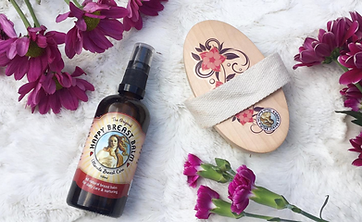
The Breast Care Kit was created to help make regular breast care simple and beautiful.
It brings together:
A soft dry brush
Happy Breast Balm
A gentle ritual of touch, awareness and care
You may like to use the dry brush before showering, then apply Happy Breast Balm afterwards as part of a breast and chest massage ritual.
Together, they help turn breast care into something natural, nurturing and easy to remember.

Where Happy Breast Balm fits
Happy Breast Balm can be used after dry brushing, once the skin is clean and comfortable.
Apply a small amount to clean skin and massage gently over the breast and chest area. Use light pressure and soft hands.
Happy Breast Balm was created for women who want to bring more care, comfort and connection to their breast and chest area.
Avoid broken, irritated or freshly brushed skin if it feels sensitive. Patch test first if you have sensitive skin.
Happy Breast Balm is not intended to diagnose, treat or cure any breast condition, lymphatic condition or skin condition.
A simple dry brushing ritual
Choose a quiet moment before your shower.
Stand comfortably and take three slow breaths.
Hold your dry brush lightly.
Begin with soft strokes over the upper chest and collarbone area.
Brush gently around the outer breast area and side body.
Move lightly towards the underarm area.
Avoid the nipple, broken skin or sensitive areas.
Keep the pressure soft.
Pause and notice how your body feels.
Shower as usual.
Apply Happy Breast Balm if you wish.
Finish with your hands resting over your heart.
You may like to say:
“I care for my body with love, not fear.”
Or:
“Where good attention goes, good energy will surely flow.”
Dry brushing from love, not fear
Dry brushing should never feel like punishment, scrubbing or a routine you must force yourself to do.
It is simply one way to bring attention to your breast and chest area.
A few soft strokes.
A few quiet breaths.
A moment of connection.
That is enough.
Breast care is not about fear. It is about building a loving relationship with your body, one gentle ritual at a time.
When should I get a breast change checked?
Regular breast care can help you know your normal, but it is not a replacement for medical care.
Please see a qualified health professional if you notice:
-
A new lump in the breast, chest or underarm
-
A lump that feels hard, fixed or different from surrounding tissue
-
A new area of thickening
-
A change in breast shape or size
-
Nipple discharge, especially if it is bloody or unusual for you
-
A nipple that turns inward or changes direction
-
Skin dimpling, puckering, redness, heat or thickening
-
Persistent pain in one area
-
Swelling in the breast, chest, underarm or around the collarbone
-
Anything that feels unusual for your body
Getting checked is not fear-based. It is loving, sensible breast care.
FAQs
What is breast and chest dry brushing?
Breast and chest dry brushing is the gentle use of a dry brush on dry skin around the upper chest, breast area, underarm and heart space. It is usually done before showering.
Why would I dry brush my breast and chest area?
Gentle dry brushing can help bring loving attention to this often-overlooked area. It may help gently stimulate the skin, support a feeling of lymphatic flow and movement, and create a regular breast care ritual.
Should I dry brush directly over my breasts?
Use very light pressure around the breast and chest area. Avoid the nipple, painful areas, broken skin, irritation, fresh scars or anything that feels uncomfortable.
Does dry brushing detox the body?
Dry brushing is often promoted with detox claims, but we prefer to describe it more gently. It may support a feeling of movement, freshness and circulation, but it is not a detox treatment.
Can dry brushing support lymph flow?
Gentle dry brushing may help stimulate the skin and support a feeling of lymphatic flow, movement and freshness in the breast, chest and underarm area. It is not a treatment for lymphatic conditions or lymphoedema, so please seek professional advice if you have swelling, heaviness, tightness or concerns after surgery.
How often should I dry brush my breast and chest area?
There is no strict rule. Some women enjoy it a few times a week, while others prefer once a week or when it feels good. Gentle is more important than frequent.
Can I dry brush after breast surgery?
Only once the wound has fully healed and your practitioner has said it is safe. Avoid scars, radiated skin, swelling, pain, broken skin or areas with reduced sensation.
Should dry brushing hurt?
No. Dry brushing should never hurt. If it feels scratchy, painful, irritating or too intense, stop or use a softer brush.
Can I use Happy Breast Balm after dry brushing?
Yes, Happy Breast Balm can be used after dry brushing and showering if your skin feels calm and comfortable. Patch test first and avoid broken or irritated skin.


